Museum and Gallery Event Venues in Chicago: Rental Rules
Hosting an event in a Chicago museum or gallery? See typical load-in, floor, vendor and insurance rules and how to plan chairs, tables and linens.

A Chicago museum or gallery makes an event feel important. High ceilings, good light, built-in art. It also comes with the most rules of any venue type, because every table you set could be next to something irreplaceable. This guide explains the questions to ask and how to plan rentals for a controlled space.
Why the rules are tighter
A venue that protects collections limits how furniture moves through it, what touches walls and floors, what is served where and what hazards come in with it. We can't speak to specific museums, so treat what follows as a list of typical questions and verify each answer with the venue's events team in writing. Our Chicago venue rules guide covers how buildings handle outside vendors in general.
| Topic | What to ask |
|---|---|
| Vendor policy | Approved list, or open with insurance? |
| Insurance | Certificate of insurance for rental vendors? |
| Load-in | Dock, route, freight elevator, time window |
| Floors | Protection for carts, hand trucks, chair feet |
| Flame and fog | Candles, fog, hazers, heaters allowed? |
| Food and drink | Which rooms allow them? |
| Capacity | Seated vs standing in each room |
| Rental fee extras | Security, staff, overtime |
Load-in is the plan
Tell your rental company about the route: dock height, door widths, elevator size, stairs, and the distance from dock to room. Ask the venue how many people can be on the dock at once. Rental crews can bring items in smaller loads, but that takes time. Add buffer for setup, since a delay at the dock pushes everything back.
Layout and capacity
The usable floor is smaller than the room. If artwork lines the walls, subtract the keep-clear zone before counting tables. Use 60-inch rounds at 10 to 12 square feet per guest as a rule of thumb, and ask the venue for its official capacity for each room. See our table spacing and aisle clearance guide.
What to rent
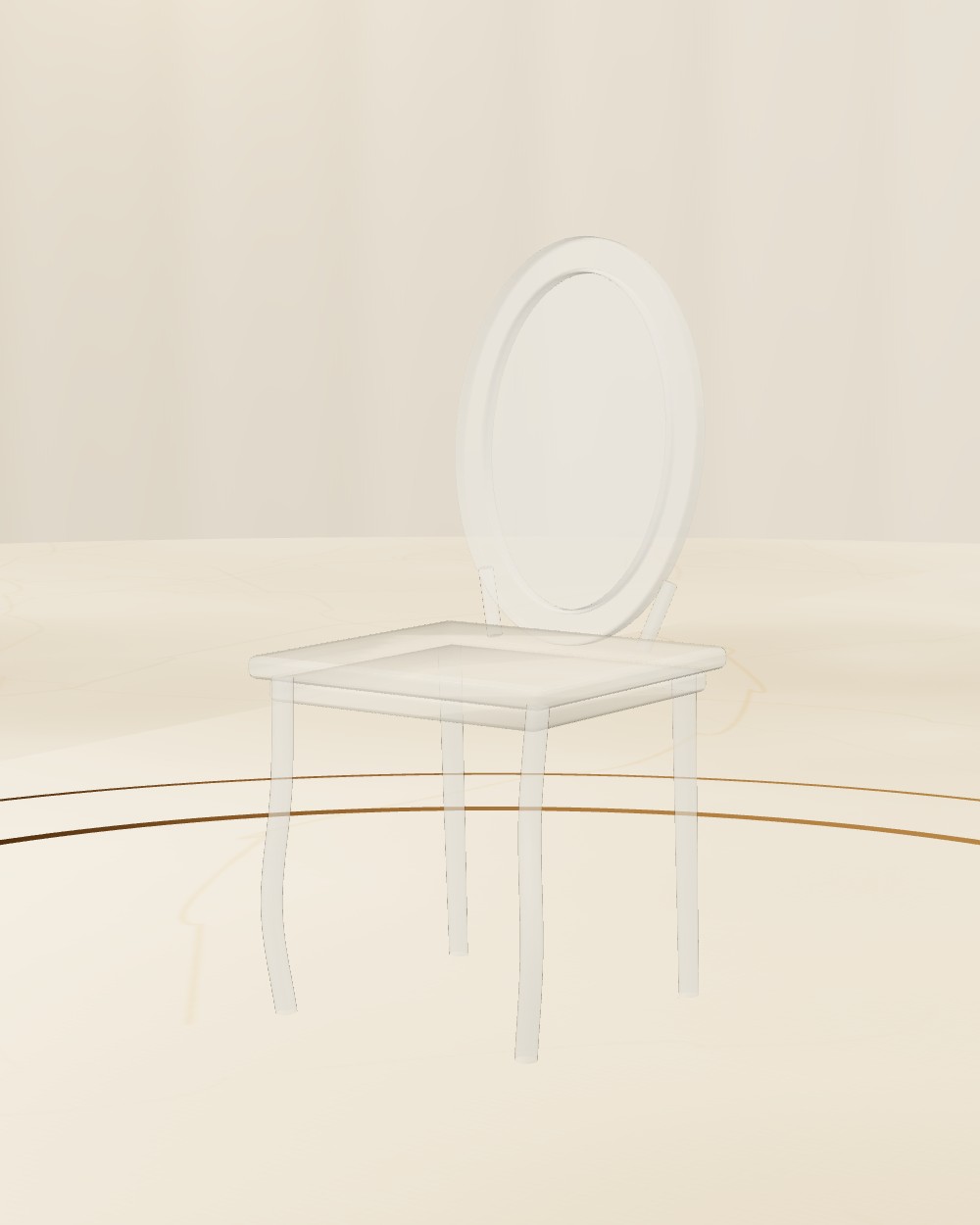
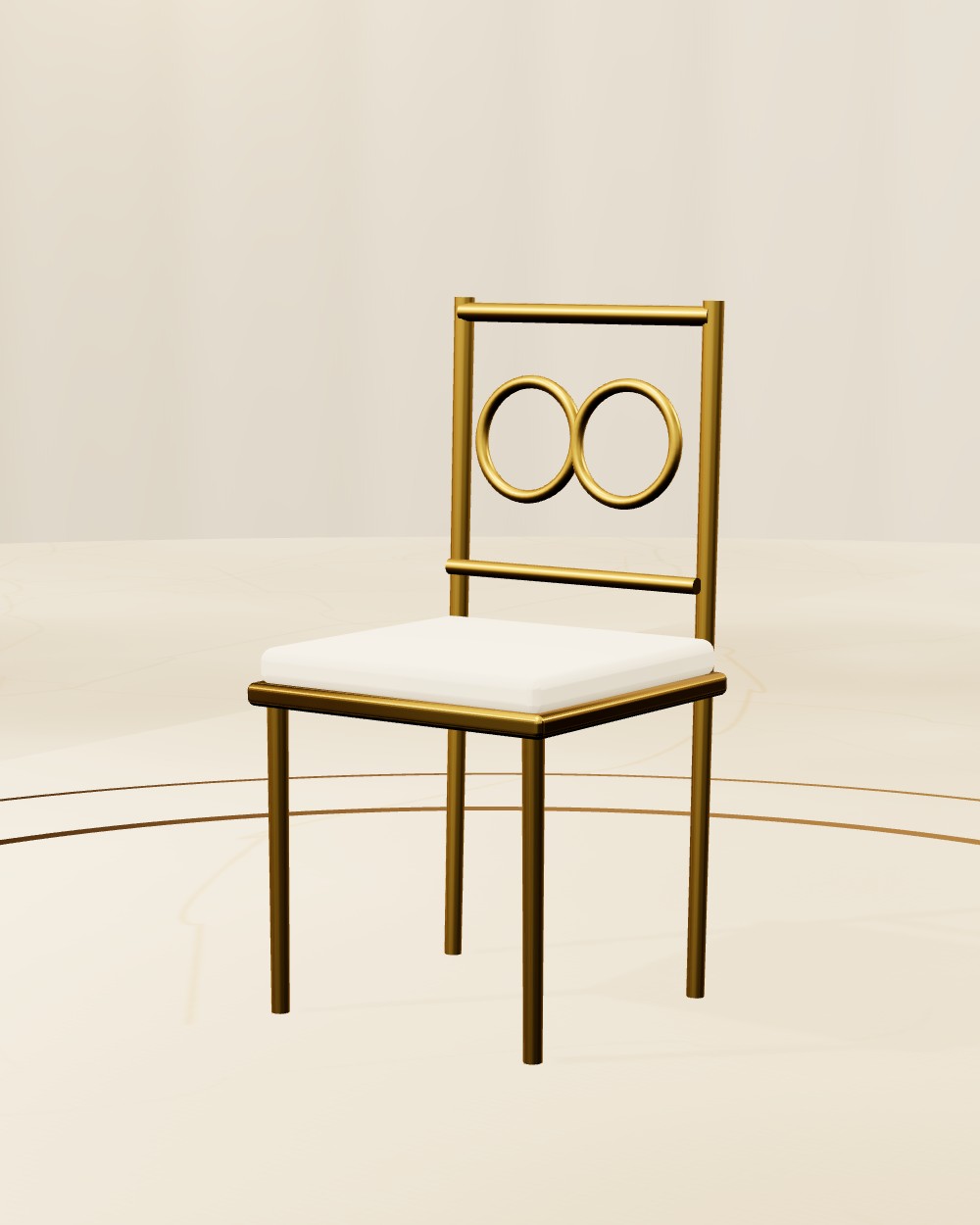
- Chairs: lightweight, stackable, easy to move quietly. The Louis medallion ($20 to $30 estimated) and gold infinity ($9 to $13) suit galas. Ghost chairs ($10 to $14) disappear in front of art. See gold infinity chairs for galas.
- Linens: floor-length cloths hide the table base, wheels and cords.
- Lighting: battery-powered pieces avoid cords. See battery-powered event lighting.
- Stage and AV: check height and floor load. See stage and riser sizes.
- Bar equipment: ask about floors and spills.
Nonprofits and corporate galas
Nonprofit and corporate teams often work with the museum's event staff and a required caterer. Ask how rentals fit with the caterer's package, and whether the caterer provides linens, china and glass. See corporate stage lighting basics and working with caterer and rental company.
- Questions on the venue checklist
- 8
- Questions on the venue checklist
- Keep-clear distance: ask the venue
- Ask
- Keep-clear distance: ask the venue
- Sq ft per seated guest
- 10-12
- Sq ft per seated guest
- Certificate of insurance often needed
- 1
- Certificate of insurance often needed
- Loads, not one big delivery
- Small
- Loads, not one big delivery
- Venue rules in writing
- Written
- Venue rules in writing
Staff, security and the timeline
Museums often require their own staff in the room during your event: a security guard, an event manager and sometimes a technician. Ask what that costs and when it starts, because a staff member who arrives at load-in is billed from load-in. Ask who walks the room with you at the start and end, and how damage is assessed. A short written checklist signed by both sides protects everyone.
Build a realistic timeline. A typical event day has a load-in window, a setup window, a dress rehearsal for speeches or AV, doors, the program, a last call and teardown. Venues set hard stop times. If teardown has to be done in an hour, ask your rental company how many crew members that takes, and make sure carts and dollies are allowed through the galleries.
Matching the style of the space
A museum already has a point of view, so rentals should support it. In a modern gallery, clear and simple pieces let the art lead. In a historic hall, richer chairs and linens suit the architecture. Avoid heavy centerpieces that block sight lines to the art, and keep tall elements away from sensors, sprinklers and lighting tracks. If you want a custom look, ask the venue what can hang, attach or stand within the room.
Frequently asked questions
Do museums allow outside rental companies?
What insurance do rental vendors need for a museum event?
Can I use candles at a museum event?
How do I plan load-in at a museum?
What chairs work for a gala in a gallery?
How many people fit in a gallery event?
Is a museum event more expensive?
Plan the room, then the list
Send us the venue's floor plan, capacity and load-in rules. We help build a rental list that fits the room and the rules. If you are comparing with a warehouse or loft, read our raw space venue guide.
Plan the whole rental list in one call
Book a free 15-minute seating call and we will walk through your date, your venue and your guest count, or request a quote with the details. We help plan chairs, tables, linens, dinnerware, glassware, tents and lighting together, so one conversation covers the whole list. Our first deliveries begin with the 2027 Founding Season in April.
- Seasons & Venues
- Corporate & Nonprofit
- Chicago Planning
Ready to rent?
Keep planning
 Spring Wedding Rentals in Chicago: Tents, Chairs and Timing
 Forest Preserve Events Near Chicago: Permits, Groves and Rentals
 Planning an Event at a Chicago-Area Convention Center
 Chicago Event Planning Calendar: Month by Month for 2027