Keeping Food Cold at Outdoor Events: Coolers, Ice and Timing
How much ice and how many coolers to plan, how to hold cold food at 41 F or below, and how to stay safe in a hot Chicago summer.
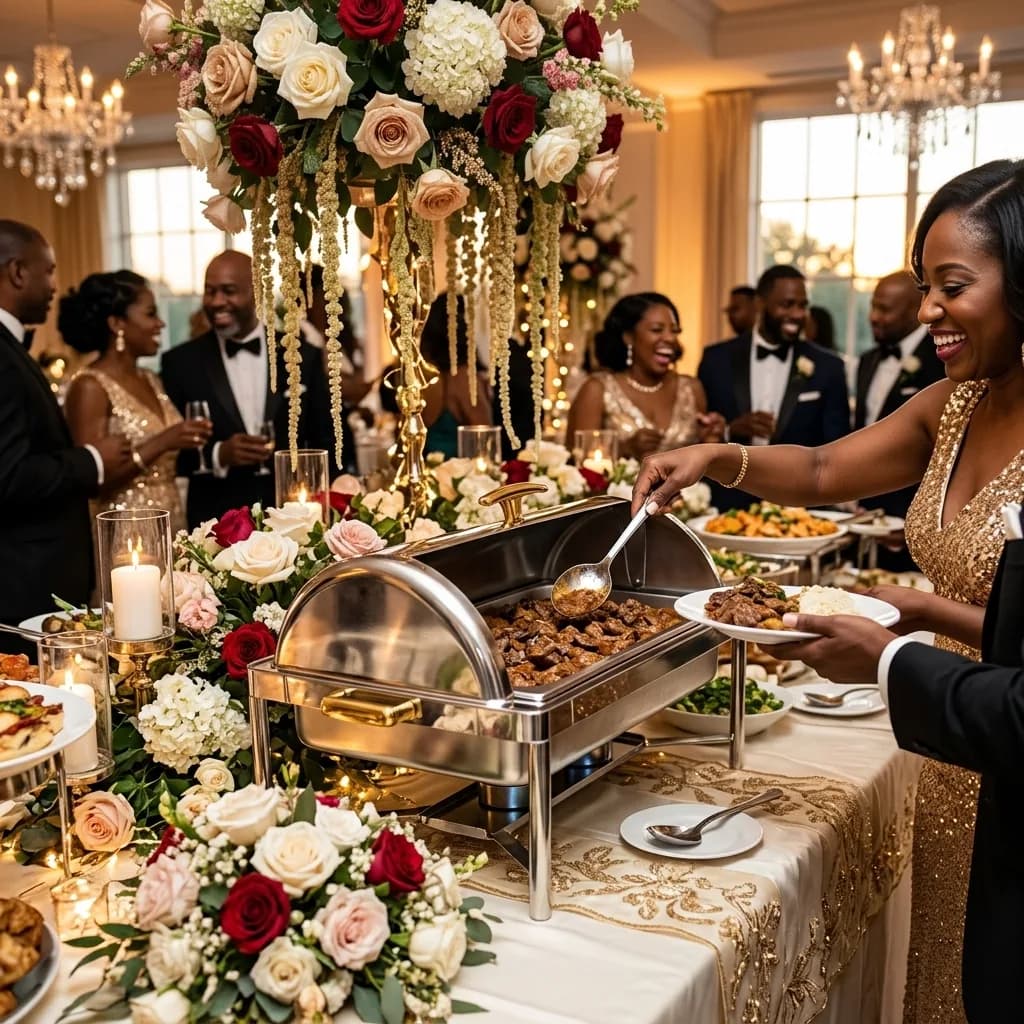
A Chicago July afternoon can turn potato salad into a problem in an hour. Cold food is harder outdoors than hot, because the sun, the grass and the open lid all work against you. Good coolers and a few habits make it simple. Here is the plan.
How much ice and how many coolers
| Guests | Cold food coolers | Drink ice | Bowls over ice |
|---|---|---|---|
| 25 | 1 | 25 lb | 2 to 3 |
| 50 | 2 | 50 lb | 4 to 5 |
| 100 | 4 | 100 lb | 6 to 8 |
| 150 | 6 | 150 lb | 10 |
| 200 | 8 | 200 lb | 12 |
The drink figure follows the common rule of about 1 pound of ice per guest. Hot afternoons, long events and open-air parties call for more. Block ice melts slower than cubes, but cubes cool faster, so many caterers use both.
Set the table so food stays cold
- Nested bowls: Put a serving bowl into a larger bowl or hotel pan filled with ice. Refresh the ice every 30 to 45 minutes.
- Shade: A tent, umbrella or tree. Shade can lower temperatures noticeably, and sun on a metal tray can heat food quickly.
- Small batches: Fill small serving bowls and refill from the cooler, rather than putting out everything at once.
- Lids and covers: Cover dishes between servings. A clear dome keeps flies off.
- Elevated trays: Tiered trays on ice work for shrimp and fruit.
- 1Step 1Chill everythingovernight, including coolers and bowls.
- 2Step 2Pack in orderice layer, food, ice layer.
- 3Step 3Keep coolers shadedand lid shut.
- 4Step 4Serve small bowlsover ice and refill often.
- 5Step 5Check with a thermometerand discard anything above 41 F for 2 hours.
Which foods are the riskiest
Foods that need refrigeration are called time and temperature control foods. This includes dairy, eggs, cut melon, cooked rice and pasta, potato and macaroni salads, deli meat, sliced tomatoes, seafood and cut leafy greens. Whole fruit, bread and most baked goods do not. If you cannot keep potato salad cold, serve a vinaigrette-based salad instead.
Beyond the cooler: other cold equipment
- Refrigerated trucks and trailers: For events of 200 or more guests, a caterer may bring their own. Ask what is included.
- Ice bins and tubs: For beverages and bottled drinks, a galvanized tub or a rolling cooler works. See how many beverage dispensers you need.
- Dessert chillers: Ice cream and whipped cream need extra attention; see ice cream sundae bar setup.
- Raw bar and sushi: Need a drainage tray and constant ice replacement.
- Dry ice: Handle with gloves and ventilation, and never in a sealed container. Ask your caterer before using it.
Chicago summer notes
Chicago can have long stretches of hot, humid weather in July and August, and heat index can pass 90 degrees F in the suburbs. Park district shelters and backyards often lack electrical hookups for refrigerators, so plan coolers. The sun at an outdoor wedding in June sets late, around 8:30 p.m., and the hot part of the day stretches. Put the food out later rather than earlier. For weather and seating tips, read outdoor event chairs and weather in Chicago.
Drainage and cleanup
Melting ice becomes water, and water on a rented linen leaves stains. Put trays or pans under every ice bowl, and run a drain hose or dump bucket in the back of house. Choose a spot for water disposal that does not run onto the lawn near guest chairs. See trash, recycling and composting stations.
- Cold-hold maximum
- 41 F
- Cold-hold maximum
- Ice to food in a cooler
- 2:1
- Ice to food in a cooler
- Ice per guest, drinks
- 1 lb
- Ice per guest, drinks
- Limit out of ice
- 2 hr
- Limit out of ice
- Limit above 90 F air
- 1 hr
- Limit above 90 F air
- Refresh ice
- 30-45 min
- Refresh ice
Frequently asked questions
How do I keep food cold at an outdoor party?
How much ice do I need for a party?
How long can food sit out in the heat?
What temperature should cold food be?
Should I use block ice or cubes?
Can I put potato salad on ice?
Add coolers and tables to your list
Book a free 15-minute seating call and we will plan tables, shade and seating, or request a quote.
- Catering Equipment
- Seasons & Venues
- Parties
Ready to rent?
Keep planning
 Grill Rental for Events: Size, Fuel and Safety Rules
 Snow Cone Machine Rental: Ice, Syrup and Servings per Hour
 How to Keep Food Hot at an Outdoor Event
 Dessert Table Equipment Checklist: Stands, Plates and Layout
