Tent Anchoring: Stakes vs Ballast on Grass and Concrete
How rental tents are anchored on lawns, patios and parking lots, what weight ballast takes, and the questions to ask before the crew arrives.

A tent is a big sail. The anchoring is what turns it from a weather problem into a safe place to eat dinner. Chicago-area weather is famous for sudden gusts off the lake and storms in the summer, so a tent anchored badly is a real hazard. This guide explains the two methods, when each applies and what to check on setup day. We do not rent tents, so use this as a list of questions for your tent company.
Stakes: the standard on soil
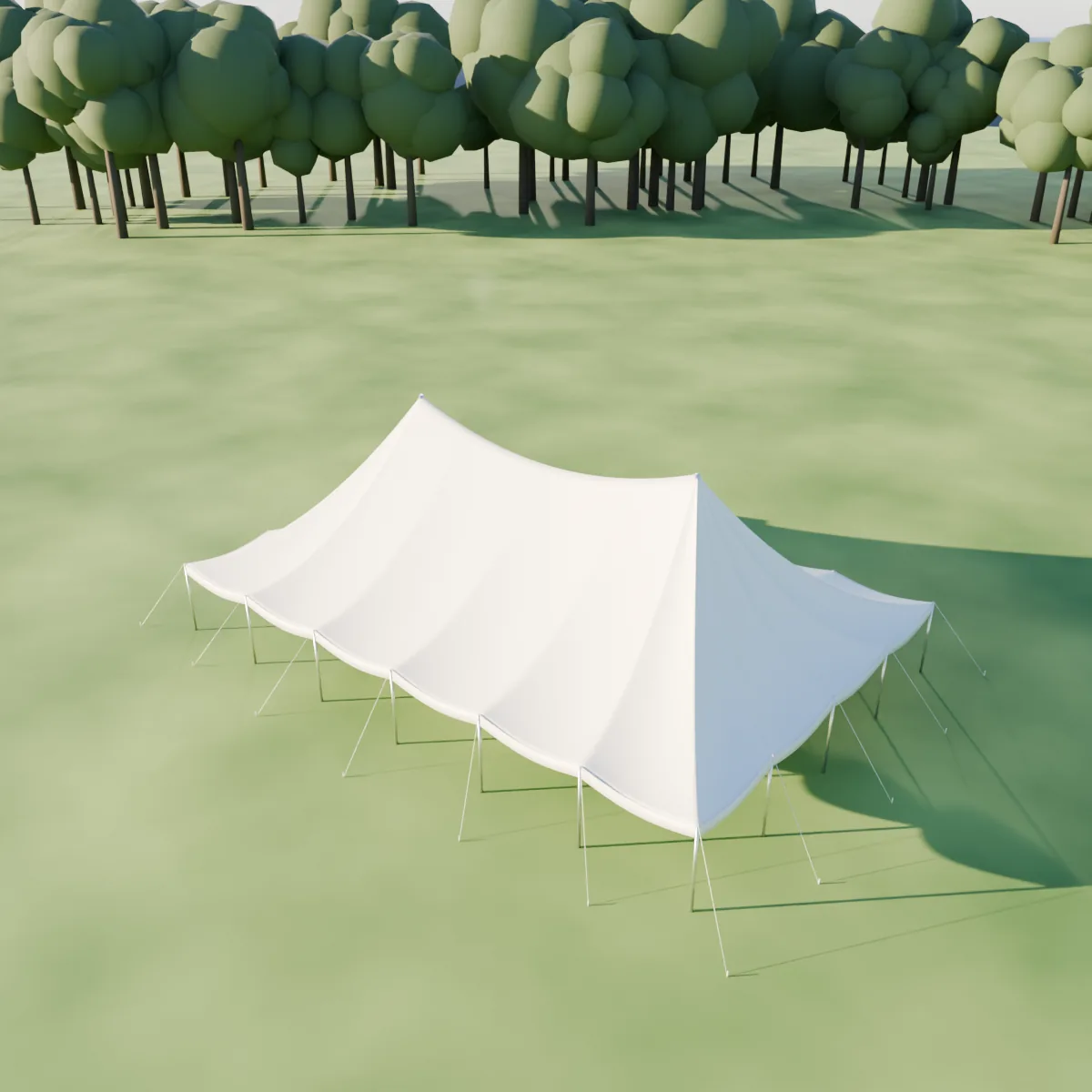
Crews drive long steel stakes into the ground next to each leg or at the end of each guy line. Soil grips the stake, and that grip is what keeps the tent from lifting.
- Strength: Properly driven stakes hold much more than the same weight of ballast.
- Utilities: Every stake is a hole in the ground. You must have utilities located first. See JULIE utility locates in Illinois.
- Soil: Very soft, sandy or saturated ground reduces holding power. After heavy rain, crews may add stakes or switch methods.
- Sprinklers and invisible fences: Mark irrigation heads and dog fences. Stakes can break them.
Ballast: the answer for hard surfaces
On pavement, you cannot drive stakes, so weight holds the tent down. The usual choices:
- Concrete blocks strapped or chained to each leg.
- Steel plates or water barrels filled on site, which are lighter to bring in.
- Weighted base plates for pop-up canopies, rated for the canopy only.
Why ballast weight matters
Wind lifts a tent and pushes it sideways at the same time. The ballast has to resist both. The bigger the tent and the more sidewalls it has, the more sail area it presents, and the more weight each leg needs. We will not give a number here because it depends on the tent model, size, sidewalls and the rating the company works to. Ask for the weight per leg in writing, and ask what wind speed that plan covers. Related reading: tent wind ratings and weather safety.
Chicago's permit rules show how seriously this is treated: tents up to 600 square feet need anchorage details drawn by a responsible person, and larger tents need structural details and wind calculations from a licensed professional. See Chicago tent permits.
Surface protection
Heavy ballast and sharp base plates can scar pavers, stain driveways and crush edges. Ask the company about:
- Rubber pads or plywood under blocks.
- Whether water barrels will leak or leave stains.
- Where sprinkler lines, drains and septic covers sit.
- Hot asphalt in July and August, which dents under point loads.
See tent on a driveway or parking lot and tent and grass damage.
Comparison
| Question | Stakes | Ballast |
|---|---|---|
| Surface | Soil, grass | Concrete, asphalt, pavers, decks |
| Holding power | High when driven properly | Depends on weight per leg |
| Utility risk | Yes, locate first | None below ground |
| Surface risk | Small holes | Marks, staining, load |
| Setup time | Fast | Slower, heavy lifting |
| Best for | Lawns | Driveways, patios, plazas |
Setup day checklist
- 1Step 1Walk the sitewith the crew lead before anything goes up.
- 2Step 2Mark utilities,sprinklers and fragile spots.
- 3Step 3Confirm the methodper leg and per surface.
- 4Step 4Check strappingevery leg should be tied, not just sitting next to a weight.
- 5Step 5Keep exits clearstakes and guy lines must not block exits.
- 6Step 6Re-check after stormsand before guests arrive.
- Chicago anchorage drawings by any responsible person up to here
- 600 sq ft
- Chicago anchorage drawings by any responsible person up to here
- Anchored, no exceptions
- Every leg
- Anchored, no exceptions
- JULIE notice before stakes
- 2 working days
- JULIE notice before stakes
- Weight per leg and wind speed
- In writing
- Weight per leg and wind speed
- Never blocked by stakes or lines
- Exits
- Never blocked by stakes or lines
- Re-check soil holding
- After rain
- Re-check soil holding
Seating on the anchored surface
Concrete surfaces are firm, and grass is not. Garden folding chairs work on both, and slim cross-back chairs look right on a patio. If your tent is on soft ground, a floor or mats help chair feet; see tent flooring and subfloors.
Frequently asked questions
Can you put up a tent on concrete without stakes?
How much weight does a tent need on concrete?
Are stakes better than weights?
Can I drive tent stakes into my lawn without calling anyone?
Do water barrels work as tent weights?
Will anchoring damage my lawn or driveway?
Plan your tent day with us
Book a free 15-minute seating call to plan the layout inside the tent, or request a quote for chairs and the rest of the rental list.
- Tents
- Seasons & Venues
- Planning
 Putting a Tent on a Driveway or Parking Lot: What to Plan
 Rain Plan With a Tent: What Still Goes Wrong and How to Fix It
 Clearspan Structure Tents: When to Rent One in Chicago
 Heating a Tent in Fall: Safe Options for Chicago Events
